
VARIALS // WHERE THE LIGHT LEAVES
Varials’ Where the Light Leaves feels less like an album and more like a controlled psychological event
⭐⭐⭐⭐⭐(5/5)
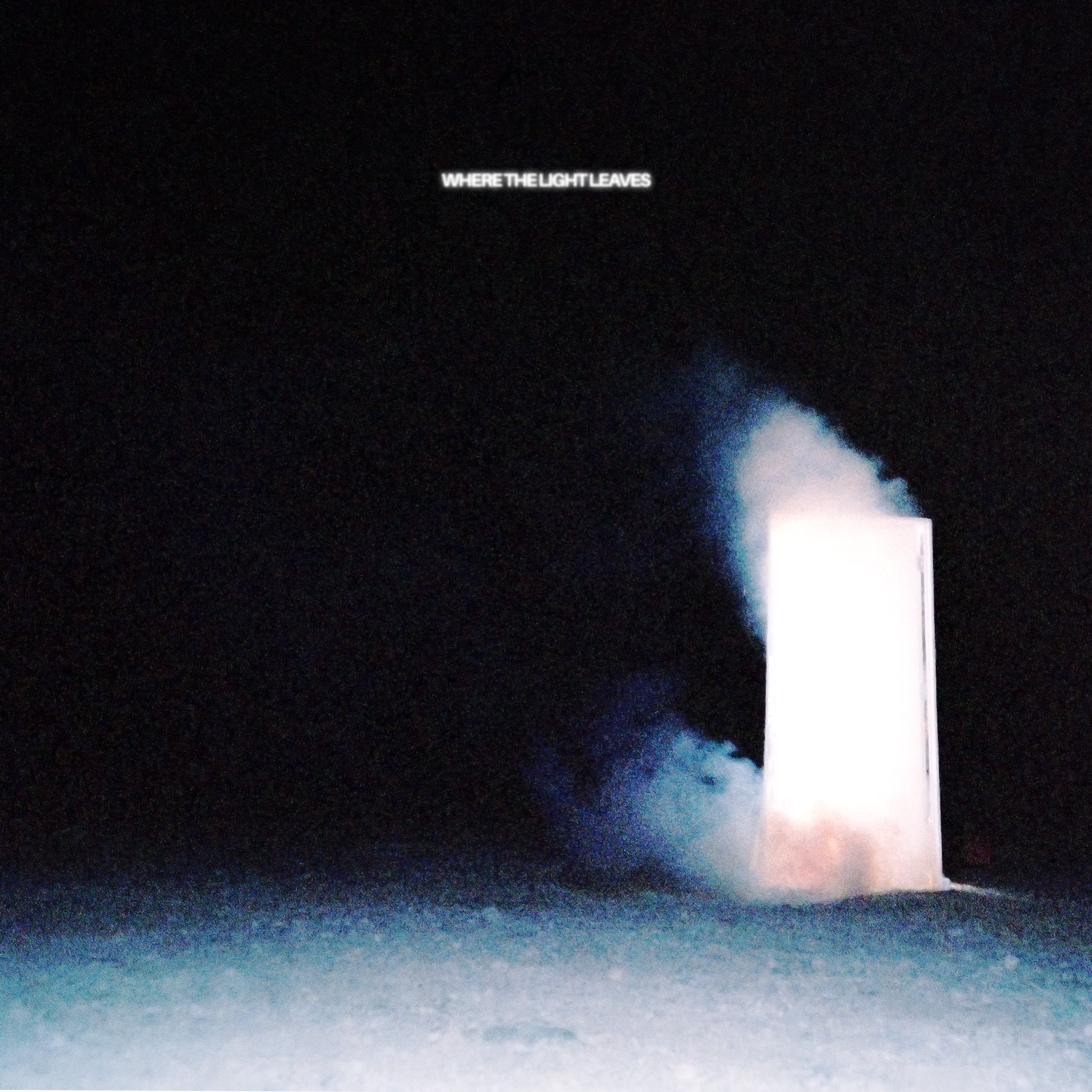
As someone who’s been living inside metalcore and deathcore cycles for well over a decade—and who processes music like a psychopath processes a perfectly executed murder plan, Varials’ Where the Light Leaves feels less like an album and more like a controlled psychological event. I’ve followed Varials since Pain Again, watched them sharpen their teeth on In Darkness, and stretch emotionally on Scars for You to Remember. This record doesn’t reject any of that history. It’s colder, heavier, and more self-aware. The arrival of Skyler Conder as frontman isn’t framed like a “new era” but it makes the band sound like it dragged itself through internal collapse and came back with fewer illusions and sharper edges.
Released via Fearless Records, Where the Light Leaves is not interested in comfort. It’s about mental purgatory, acceptance without relief, and learning how to function inside the damage. As a woman who’s always gravitated toward heavy music not for catharsis but for clarity, I respect how unromantic this album is. There’s no performative suffering here, just confrontation. Produced by longtime collaborator Josh Schroeder (if you don’t know the name see Lorna Shore, Dayseeker, The Plot In You), the album thrives on density. The guitars feel like load-bearing structures rather than riffs for their own sake. The drums don’t groove so much as impose. What stands out most, though, is restraint—Varials know exactly when to let a breakdown hit, and when to suffocate you slowly instead.
Conder’s vocals are particularly effective because they don’t try to replace what came before. They occupy a different emotional register: less explosive rage, more internalised dread. As an INTJ listener, that hits harder. It’s not chaos—it’s system failure. But let’s take it song by song:
Opening with Where the Light Leaves, Varials do not make a statement but a whole thesis on what it feels like to be sealed inside your own head and decide whether to fight the walls or furnish the rooms. The composition is crushing, full of breakdowns, brutals and drums that set the headbanging beat like their lives depend on it. Flowing perfectly into No Lie Untouched, there is pure confrontation, blunt riffs and pacing. The record starts having some cleaner and raspier vocals at Your Soul Feeds, which admittedly felt like it came too quickly. Until this song (a personal favourite), Illusions of Loss and Conscious Collapse follow the same pattern: tension, hardcore ferocity, monstrous breakdowns and that nu-metal groove that has defined the core sound of modern bands for the past decade.
And then we come to the mid-album break, the song where you take a breath to recoup and recover: The Hurt Chamber. Personally, any song produced along the same lines of this becomes my anthem for the whole month. It is claustrophobic, makes you break your neck at every breakdown, yet serves moments of clarity, a bit of synth/piano, and those moments where you lock your jaw and take the punch to the chest. There is a psychology that this groove brings forward without feeling indulgent; more accurately, it makes the attack to your soul feel personal. Followed straight by [wouldyoufollowme], an eerie radio-frequency like interlude, it feels like you’re now allowed to lick the wounds from the knife attack of the previous songs.
But not for long. As Silent Demise comes on, we are back into moshpit, guitars and brutality area. Everything is dialled in and heavy, and the record’s message is reinforced. It offers exactly what it would feel like to be in purgatory, a perpetual nightmare one cannot awake from. And the soundtrack to this nightmare is blast beats and violent vocals to shake you to your core. By the same token, Blissful End and Romance II both work to crush the soul and do the post-mortem honours. Even though this is just my mind making connections, the track brought me the same despair that DSBM did about ten years ago (and if you don’t know what DSBM is do not google it). There is something Lifelover-y in the melody and tune, even though that is just a personal observation.
The record ends with three punches to the gut, delivered one after the other. Metanoia is one of the most quietly important tracks, arriving as an understanding that there is no return and no salvation. It is loud, violent, and built on absenteism. I’ll Find the Dark follows the same pattern, with immediate guitar riffs and drum blasts, a song that highlights Varials’ aggression and matches the record’s psychological depth. Finally, the album closes with [intothequiet], another eerie interlude and outro that feels like a soundtrack to a film; it is like a scene that flashes, showing the killer who’s done their deed and are getting away with it, before the cycle restarts.
Where the Light Leaves is Varial’s most ambitious attempt at choosing permanence over volatility. It is not an album designed to win over casual listeners or dominate playlists. It is for people who sit with records in the dark and full of pain, replay sections of it to understand why they feel heavy and then writes an essay about regretting every single life choice ever made. As a long-standing fan in a scene that underestimates how deeply people analyse heavy music, I appreciate how unapologetically internal this album is. It doesn’t beg to be felt, it assumes that you are capable of feeling. This is Varials at their most deliberate, oppressive and honest. And for me, that is exactly where the light needed to leave.
REVIEW BY: CHARIS LYDIA BAGIOKI
